
Building a Denim Tears Capsule Wardrobe on a Fixed Budget
Start with a situation instead of a shopping list. The starting point is simple: roughly $1,200 across the next twelve months, genuine interest in what Tremaine Emory has built since founding Denim Tears in 2019, and no patience for pieces that hang together only in a photograph. A full collection is out of reach at that number, and denying that is how people end up with four graphic tees and nothing to wear them with. Allocated with care, it buys a compact set of garments that spans most of a year while still looking considered. In what follows, the label is treated as one component of a working wardrobe rather than the entire thing. Read every price as a 2026 market estimate and a range rather than a quote, since release, size and channel all move the number.
Rethinking the Capsule When Single Pieces Cost $300
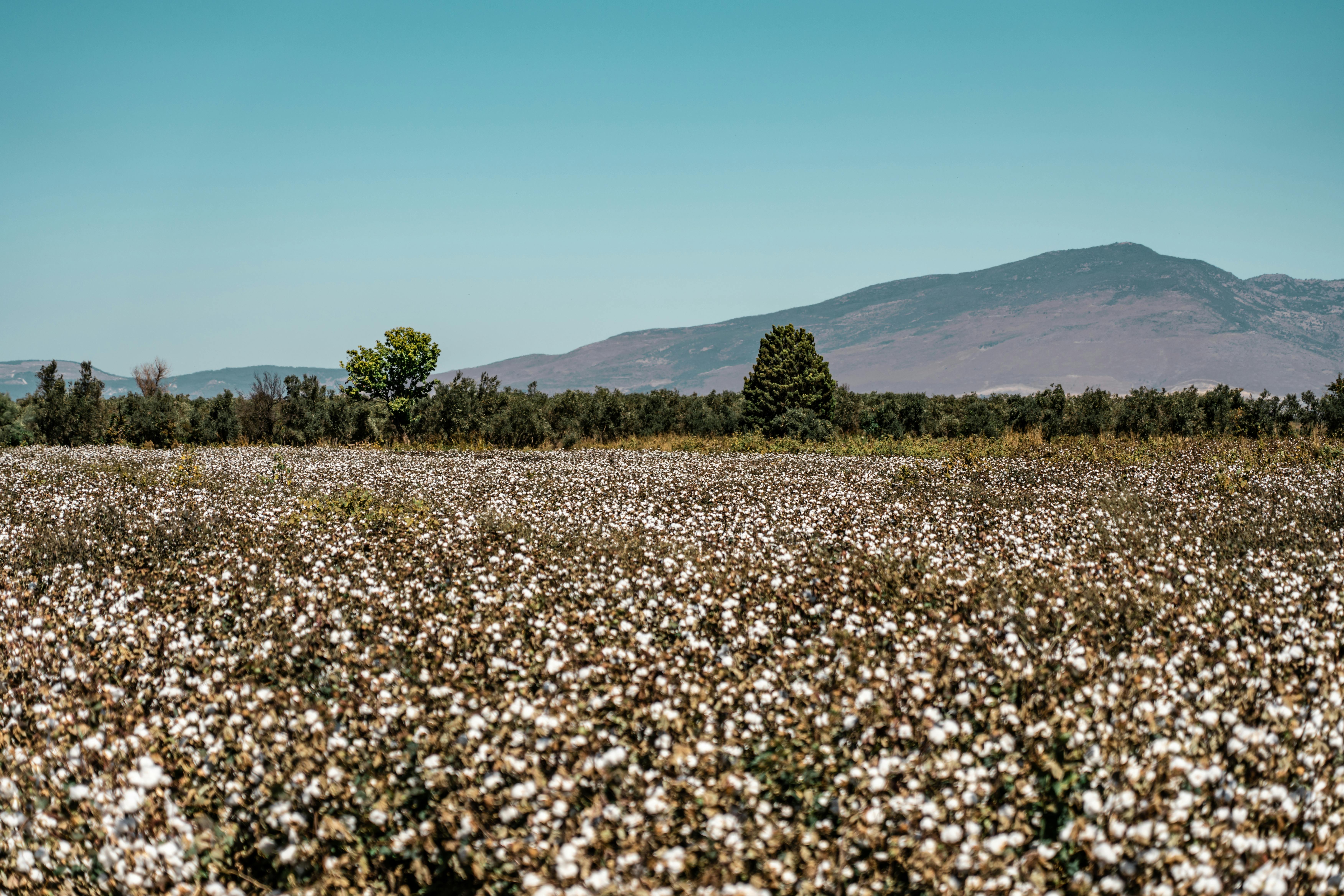
The familiar definition of a capsule wardrobe is a small set of interchangeable garments, yet at this price tier it has to be narrowed. In this context it means a few branded anchors supported by plain, well-chosen basics costing a fraction as much. Roughly one branded piece to three or four unbranded ones is the ratio that works for most people. That ratio allows the cotton wreath graphic to do what it does denim tears brand best, which is anchoring an outfit on its own rather than fighting a second loud piece. That same discipline shields you from the category’s most common mistake, which is buying statement items that cancel each other out. The budget buys focal points instead of coverage, so let inexpensive staples handle the coverage.
Cap the Spend Before the Wishlist Exists
Set the total before anything else and do not move it, since wishlists expand to consume whatever budget exists. Put the figure in writing, split it across two or three planned purchases, and accept that anything outside that plan has to wait until next year. Reserve around 15 percent of the total as a cushion for the piece you did not anticipate wanting. Get the size wrong and the loss is total rather than partial, which makes fit a financial matter as much as an aesthetic one. Remember to include the small costs, including shipping, any import duty, and possibly a hem alteration on jeans. Pick from the tiers below according to what you can spend without discomfort.
- Around $400 to $600: one anchor piece plus basics, usually a tee and one heavier item
- Around $1,000 to $1,300: a three-piece set-up covering warm and cold weather
- Around $1,800 and above: a four-piece build including jeans and a second layer
One Anchor, Not Three
The anchor is the piece everything else is arranged around, and getting it wrong wastes most of the budget. Most buyers land on a denim tears hoodie as the anchor, estimated at roughly $250 to $400 in 2026, because it serves three seasons and can carry a whole outfit unaided. In a warm climate the anchor is more sensibly a tee at roughly $100 to $200, leaving budget for two supporting pieces. For anyone who already owns plenty of layers, denim tears jeans built on the Levi’s 501 pattern make a stronger anchor at roughly $300 to $500, since a striking bottom half redefines whatever sits above it. Decide by the weather you actually live in and the half of your body that needs the most help. Get one anchor right and it beats two bought hastily every time.
A Worked Build: Around $1,200 Across a Year
Spreading purchases over twelve months does two useful things at once. It smooths the cost across your budget, and it allows you to wear each piece before buying the next, which is how you learn which pieces you actually reach for. The order below opens cheap on purpose so that the smallest purchase shows how the brand’s cuts fall on you before more money is at stake. Across the four items the midpoints land near $1,150, and the full range runs roughly $830 to $1,450 depending on where each piece is sourced. Should the first three already cover the week, the fourth purchase is the one most people should be willing to abandon. Adapt the table rather than following it exactly.
| Month range | Item | Est. 2026 range | Role in the capsule |
|---|---|---|---|
| 1 to 2 | Graphic tee | $100 – $200 | Entry point with little risk, a warm-weather layer, works under everything |
| 3 to 5 | The cotton wreath hoodie | $250 – $400 | The keystone, able to carry autumn and spring alone |
| 6 to 8 | Sweatpants or a pair of shorts | $180 – $350 | Weekend half-set, paired with the tee |
| 9 to 12 | Jeans on the 501 pattern | $300 – $500 | Optional, and the real payoff, transforms every outfit |
The Supporting Cast: Filling the Gaps
Where a modest budget quietly wins is the supporting layer, and it deserves more thought than it usually gets. At $20 to $40 each, plain heavyweight tees in the 6 to 8 oz range, around 200 to 270 gsm, let the branded pieces stay special. For typically $60 to $120, a plain denim hoodie or an unbranded fleece around 400 gsm covers the days when a chest graphic is the wrong call. Neutral trousers in black, ecru or washed indigo run $50 to $90 and pair with everything the capsule already contains. A narrow palette, ideally three or four tones, lets any top work with any bottom without thought. Shoes stay simple, since one clean low-profile pair earns its place better than three loud ones.
- Plain heavyweight tees, two to three of them, $20 to $40 each
- A single unbranded fleece or plain denim hoodie, $60 to $120
- Two neutral pairs of trousers, $50 to $90 each
- One neutral-coloured pair of shoes that works with everything
Cutting Costs Without Cutting Corners
Genuine saving is paying less for the same garment, never buying a different garment and calling it the same. The biggest honest saving is pre-owned pieces in good condition, often 20 to 35 percent below retail for common colourways. Off-season timing helps too, since heavyweight fleece is cheapest when nobody wants it in July. Choosing a less hyped colourway over the most photographed one saves a similar margin and costs nothing in construction. What you should never do is buy a counterfeit, which fails on both ethics and arithmetic: the cotton wreath references the history of cotton, the transatlantic slave trade and African-American experience, and a replica strips that meaning away and falls apart besides. Equally, do not save money by accepting the wrong size, since an unworn piece hanging in a wardrobe costs you 100 percent of its price.
Timing and the Patience Discount
The week everybody is talking about a piece is the costliest time to buy from this label. Demand spikes at release and resale prices rise with it, yet the same piece is often noticeably cheaper three to six months later once supply settles. Setting alerts and waiting is the cheapest tactic there is, and it costs nothing but attention. End-of-season windows in late January and late July are usually the softest points in the year for heavyweight pieces. Search the single-word spelling denimtears and you will find prices vary widely between platforms for identical items, so comparing three sources is worth ten minutes. Patience is less a virtue here than a discount that compounds across a four-piece build.
Three Rules That Keep the Plan Honest
Plans come apart where enthusiasm meets a limited-run release, so make the decisions in advance. The three rules below keep things deliberately blunt, covering the situations where most budgets break. Apply each one before you open a checkout page, not while you are staring at one. Rule one exists to protect the ratio that makes a capsule work. The second stops duplicate purchases, which is the quiet way small wardrobes bloat. The third keeps you from paying a premium for the sake of speed on what is, after all, a garment that will still exist next season.
- Three or four unbranded basics to every branded anchor, without exception.
- The first has to be worn twenty times before a second piece in the same category is allowed.
- At least thirty days must pass after a release before you pay any resale premium.
Follow the plan and you end up with two or three Denim Tears pieces doing visible work and a supporting cast that costs less than one of them. That is an achievable outcome on $1,200, and it wears far better than a wardrobe assembled in a single impulsive month. Whichever it is, hoodie, tee or the sweatpants that shoppers often search for as denim tear pants, the logic does not change: fewer pieces, better chosen, worn constantly.